

How Laser Gum Treatment Can Treat Your Gum Disease
Discover how laser gum treatment at Emery & Scuro DMD, PC in Rochester, New York, offers a gentle, minimally invasive way to treat gum disease and accelerate your healing.
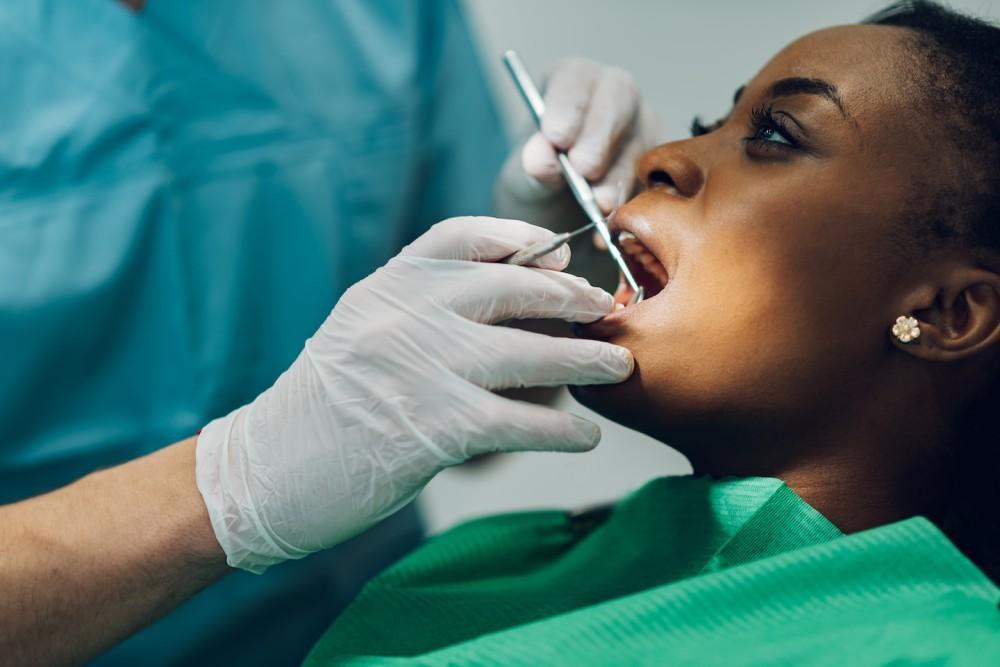
When you sit in the dental chair, you might only think about cavities and cleanings. But at Emery & Scuro DMD, PC in Rochester, New York, we look at the bigger picture. Our experienced dentists, including Dr. Carol Scuro, Dr. Bradford Emery, and Dr. Nicholas Emery, prioritize your overall wellness. That is why we include oral cancer screenings as a key part of your routine preventive care visits.
These quick, gentle checks are about protecting your health. While you might not think you’re at risk, the landscape of oral health is changing. Understanding what happens during a screening can help you take control of your well-being.
During your routine exam, we perform a thorough visual and physical check of your mouth, neck, and jaw. The American Dental Association (ADA) recommends that dentists perform this conventional visual and tactile examination for all adult patients.
We look closely at your lips, gums, tongue, and the back of your throat. We also gently feel your neck and jawline to check for hidden lumps.
This process helps us spot early changes in your tissues. We look for specific signs, including:
If we find a minor sore, we follow standard guidelines to watch it closely.
Many people believe that only heavy smokers or drinkers need to worry about oral cancer. However, the risk factors have shifted significantly in recent years.
According to the Centers for Disease Control and Prevention (CDC), about 70% of throat cancers are linked to the human papillomavirus (HPV). This common virus can affect anyone, regardless of their tobacco history.
Because these throat cancers often start in hard-to-see areas, regular professional checks are vital. At our Rochester office, we stay highly vigilant. We know that early detection of any tissue change gives you the best path forward.
If we spot a suspicious area, we follow a careful, evidence-based protocol. We don’t immediately assume the worst, as common mouth sores or minor injuries can look concerning at first.
The American Dental Association advises waiting 10-14 days to see if a minor lesion resolves on its own. If the spot remains after this waiting period, we’ll refer you for a surgical biopsy.
A biopsy is the only definitive way to diagnose oral cancer. We don’t rely on commercial screening lights or saliva tests, as guidelines show they can’t replace a true biopsy. Our team walks you through every step of this process with clear communication and compassionate care.
Your oral health is an essential part of your total body wellness. Regular dental visits are about much more than just a bright smile. If you’re due for your routine checkup, call our office at 585-684-8423 or request an appointment online today.


